A shocking 73% of parents have experienced at least one safety incident with baby feeding equipment, according to recent consumer safety reports. While portable milk warmers offer invaluable convenience for busy parents, many models on the market harbor hidden risks that could compromise your baby’s wellbeing. As manufacturers rush to meet growing demand, critical safety features are sometimes overlooked in favor of trendy designs or cost-cutting measures. Every parent must ask: Does my milk warmer have proper temperature controls? Are its materials truly food-safe? How reliable are its safety mechanisms? This comprehensive guide will walk you through the essential safety framework for baby bottle warmers, examining everything from materials and operational safeguards to proper maintenance protocols. Understanding these crucial aspects isn’t just about peace of mind – it’s about ensuring every feed is as safe as it is nurturing for your little one.
The Hidden Dangers in Milk Warming: What Parents Must Know
While milk warmers promise convenience, they can harbor serious safety risks that many parents overlook. Electrical hazards pose a significant threat, particularly in portable models where water exposure near heating elements can create shock risks. Recent incidents have shown that faulty wiring in budget warmers led to dangerous short circuits, while overheating scenarios have resulted in damaged bottles and scalded milk. One particularly concerning case involved a warmer continuing to heat after its sensor failed, causing the bottle to crack and potentially exposing the baby to both hot liquid and plastic particles. The presence of toxic materials, especially in non-certified devices, adds another layer of risk – from leaching chemicals to harmful fumes when overheated. This underscores the crucial importance of choosing warmers with recognized safety certifications like UL or ETL, which undergo rigorous testing for electrical safety and material integrity. Unfortunately, even certified warmers can become hazardous through improper use, such as operating with insufficient water, using incompatible bottles, or neglecting regular safety checks. Understanding these risks isn’t meant to cause alarm, but rather to emphasize the importance of informed choices and proper usage protocols in protecting our little ones.
Essential Safety Features for Portable Milk Warmers
Ceramic Heating Plate Technology Explained
Modern ceramic heating plates represent a significant advancement in bottle warming safety. Unlike traditional metal coils that create dangerous hot spots, ceramic technology distributes heat evenly across the warming surface. This uniform heat distribution prevents localized overheating that could compromise milk nutrients or create scalding risks. Leading brands like momcozy have pioneered ceramic plates that maintain consistent temperatures throughout the warming cycle, typically staying within a 2-degree variance of the target temperature. Beyond temperature control, ceramic materials offer inherent safety advantages – they’re non-reactive with water or milk spillage, won’t corrode over time, and don’t release harmful substances when heated.
Critical Protection Mechanisms
Advanced safety features are essential in preventing accidents during operation. Auto-shutoff mechanisms should activate within 30 seconds of reaching target temperature or when water levels drop too low. Boil-dry protection sensors immediately cut power if the reservoir empties, preventing heating element damage and fire risks. Temperature cutoff switches provide redundant protection against overheating, while spill-proof designs incorporate sealed electronics compartments and elevated control panels. These mechanisms work together to create multiple layers of protection, especially crucial during nighttime feedings when parents may be less alert. Look for models with audible alerts that signal both completion and potential safety issues.
Material Safety: Beyond Basic BPA-Free Claims
While many manufacturers tout BPA-free materials as their primary safety feature, the reality of material safety extends far beyond this basic claim. Budget-friendly warmers often use low-grade plastics that can release harmful compounds when heated repeatedly, even if they’re technically BPA-free. The distinction between food-grade silicone and standard plastic components becomes crucial during regular heating cycles – silicone maintains its structural integrity and chemical stability even after thousands of uses, while cheaper plastics may begin degrading within months. Parents should specifically look for warmers utilizing medical-grade stainless steel or platinum-cured silicone in all parts that contact water or milk. Third-party certifications provide essential verification of material safety claims – FDA approval ensures materials meet food contact standards, while German LFGB certification indicates compliance with even stricter European safety protocols. When examining warmer construction, check for seamless designs that eliminate gaps where bacteria could grow and ensure all components maintain their integrity under repeated heating and cooling cycles. Remember that material durability directly impacts long-term safety – compromised materials can harbor harmful bacteria or release toxins over time.
Optimal Milk Warming Time: Balancing Safety and Efficiency
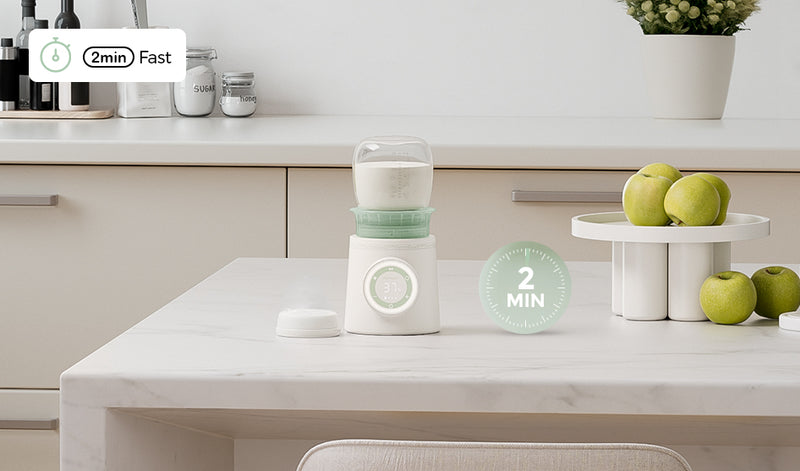
Understanding optimal warming times is crucial for preserving milk nutrients while ensuring safe feeding temperatures. Overheating breast milk or formula can destroy essential antibodies and vitamins, with studies showing significant nutrient loss occurs above 104°F (40°C). Different bottle materials require distinct warming approaches – glass bottles typically need 5-7 minutes, while plastic bottles warm adequately in 3-5 minutes at standard wattage. High-wattage warmers might seem more convenient, but they often create dangerous temperature spikes that can compromise milk quality. The safest warming occurs at 300-400 watts, allowing for gradual, controlled heating that maintains nutritional integrity. Smart parents use built-in timers or separate digital timers to track warming duration precisely, never relying on estimation. For frozen milk, extend warming time by 2-3 minutes, but never attempt to speed up the process by increasing temperature settings. Regular temperature testing using the wrist method (2-3 drops on inner wrist should feel neutral, not hot) provides a reliable safety check before feeding. Remember that room-temperature bottles require less warming time, typically 2-3 minutes, while refrigerated bottles need the full recommended duration.
Bottle Warmer Cleaning Protocols for Health Safety
Step-by-Step Sanitization Process
Daily cleaning requires unplugging the warmer, emptying residual water, and wiping all accessible surfaces with a damp microfiber cloth. Focus particularly on the heating chamber where mineral deposits commonly accumulate. For deep cleaning, which should occur weekly, create a solution of equal parts white vinegar and water, run a complete warming cycle, then rinse thoroughly with fresh water. Use food-grade cleaning solutions specifically designed for baby products – avoid harsh chemicals that could leave harmful residues. Combat mineral buildup by descaling monthly with citric acid solution, allowing it to sit for 30 minutes before thorough rinsing.
Design Features That Simplify Cleaning
Evaluate your warmer’s cleaning-friendly features before each use. The heating chamber should have a wide opening for easy access and smooth surfaces that prevent bacterial growth in crevices. Look for removable baskets and adapters that can be safely cleaned in the top rack of your dishwasher at low temperature settings. Premium models incorporate antimicrobial materials in key components, reducing maintenance needs while enhancing safety. Regular inspection of seals and gaskets ensures no moisture accumulates in electrical components. If you notice any warping, discoloration, or rough surfaces developing, these could indicate material degradation requiring immediate attention.
Practical Safety Checklist for Parents
Before purchasing a milk warmer, verify its safety certifications and research recall history through the Consumer Product Safety Commission database. Examine construction quality by checking seals, wire connections, and material thickness – flimsy components often indicate compromised safety standards. Once in use, implement a daily safety routine: test the auto-shutoff function before first use each day, inspect the power cord for damage, and verify the water reservoir’s cleanliness. Keep a monthly maintenance calendar marking deep cleaning dates, descaling sessions, and safety feature tests. Check heating consistency by measuring milk temperature at different points in the bottle using a food thermometer. Create an emergency response plan that includes knowing the location of your warmer’s power switch, keeping a fire extinguisher nearby, and maintaining an updated list of manufacturer contact information. Document any operational irregularities, from unusual sounds to inconsistent heating patterns. Store this safety log alongside your warranty information and instruction manual. For ultimate peace of mind, consider registering your warmer with the manufacturer to receive critical safety updates and recall notifications directly.
Prioritizing Your Baby’s Safety: Key Takeaways
The safety of your baby’s milk warmer isn’t a matter of convenience – it’s a fundamental parenting responsibility that demands immediate attention. While modern warmers offer impressive features, their safety depends entirely on informed choices and vigilant maintenance. Parents must prioritize certified safety mechanisms over flashy designs, regularly verify material integrity, and maintain strict cleaning protocols. The risks of electrical hazards, toxic materials, and improper heating aren’t theoretical – they represent real threats to your baby’s wellbeing. Take action today: inspect your current warmer against the safety framework outlined above, implement a regular maintenance schedule, and never hesitate to replace equipment that shows signs of wear or malfunction. Remember, no convenience feature is worth compromising your child’s safety. If your current warmer lacks proper certifications or essential safety mechanisms, consider it a red flag requiring immediate attention. By demanding higher safety standards from manufacturers and maintaining rigorous safety protocols at home, we create a safer feeding environment for our little ones. Don’t wait for a safety incident to occur – make your baby’s milk warmer safety assessment a priority today.