
Selecting a hospital bed for home use is not an easy choice given the importance placed on comfort and dignity to accommodate medical needs. Premium home hospital beds will bring clinical features into a familiar environment which allows families to take care of their loved ones while also making their bedroom feel less like a hospital room. Check this site for more insights.
What Is a Premium Home Hospital Bed?
A premium home hospital bed is designed for everyday living and not just short-term recovering. It combines medical-grade engineering with residential styling, giving it the look and feel of a unique luxury hospital bed so that your room feels warm and personal. Unlike a standard bed, it has precise positioning, quiet movement, and a variety of safety features that help accommodate mobility and minimize strain on caregivers.
Many models offer wider sleep surfaces, elevation that moves smoothly from head to foot, and the technology to set the bed to a low-to-the-floor position that assists with safe transfers.
Comfort Features That Make a Difference
Comfort is not a luxury; it is a necessity for healing and everyday well-being. Companies such as SonderCare Home Hospital Beds are recognized for combining sophisticated design with dependable technology that families can rely on.
When consumers are looking to buy a premium hospital bed, they often seek these essentials:
- Quiet motors operate very quietly, and the bed transitions are smooth, so they do not startle or inconvenience the resident during nighttime or other changes.
- Programmable presets for preferred positions, including “zero-gravity” to provide feelings of decompression or reduce discomfort.
- A broader, stable sleep deck for more space to reposition and stretch without feeling constricted.
- All position options will include full-body positioning options such as Trendelenburg and reverse Trendelenburg, when clinically indicated and prescribed.
- An adjustable home hospital bed that features soft touch rails and built-in lighting to help avoid confusion when waking at night.
Safety and Mobility in the Home
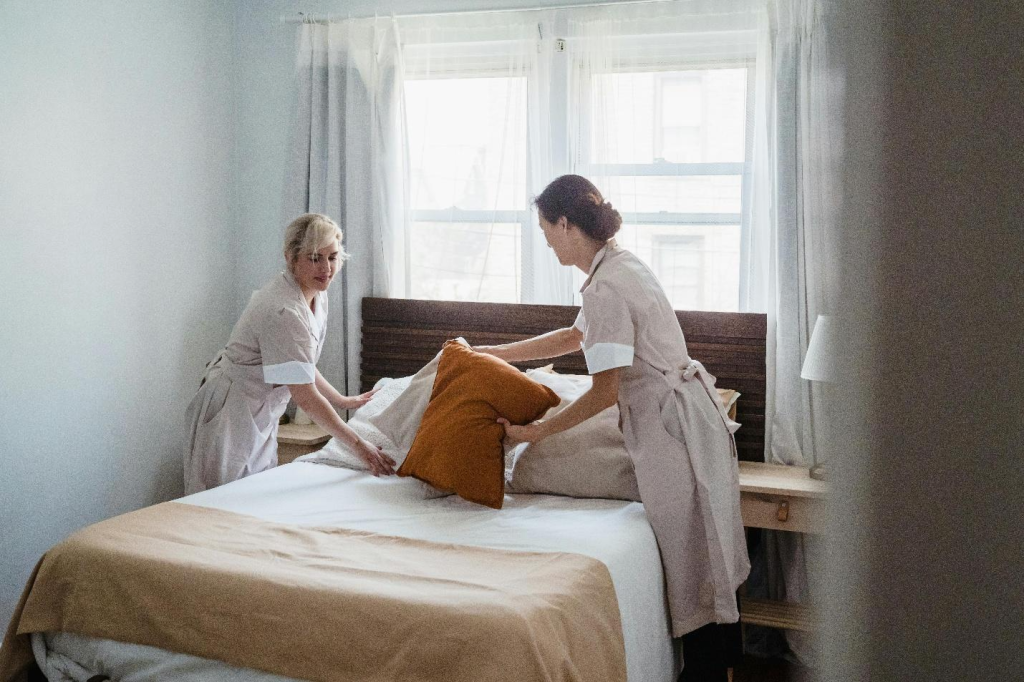
Safety features can be designed into the bed for the person in care as well as the caregiver. Height adjustability means the frames will get close to the floor to minimize the risks of falling, and then the frame rises to a working height to assist the caregiver in providing care without undue stress.
Locking controls keep the bed firmly in place when making transfers, and reliable brakes prevent unintended drifting on hard floors. Assist rails are designed to provide stable handholds for turning, sitting up, or rising from the bed.
Low clearance designs allow the use of lifts or other senior-friendly home-care equipment when required. Along with a thoughtful room design—clear pathways, non-slip rugs, and reachable calling devices—the bed will be a secure epicenter to routines during their waking day.
Mattresses and Accessories for Better Rest
A range of premium options balance pressure relief and support to maintain spinal alignment in the neutral position, while providing pressure relief for bony areas such as heels and hips. Strategies around the use of external targeted surfaces are effective options for those who spend prolonged hours asleep in bed, to minimize the risk of skin breakdown and improve their sleep quality.
Here are some mattress and accessory options to consider:
- Premium pressure-relief mattress options such as memory foam, gel-infused foam, or hybrid layers to provide consistent and even weight distribution. Read more on this page.
- Alternating pressure or low-air-loss systems for patients identified at risk of developing pressure injuries—as prescribed and guided with clinical components.
- Waterproof yet breathable covers, which aid in spills while remaining cool and comfortable to touch.
- Additional helpful options: over-bed tables for meals or hobbies, directional or upward reading lights, trapeze or stand-assist aids, and fall mats.
- Caregiver-friendly options: large button hand controls, side-pocket organizers, and cable clips to keep the area tidy and safe.
Why Delivery and Setup Matter
Hospital beds are complex devices, and their setup involves many moving parts and components. Accuracy in how they are set up makes all the difference. Having a white glove delivery and installation means the bed is set up in the right room and is assembled, leveled, and tested, with pathways protected and packaging removed.
White glove delivery service saves time, takes stress out of the process, and is effective at preventing simple errors—things like uneven floors or loose cords—that can lead to discomfort or safety challenges.
Families will have a full walk-through of the bed, including controls, safety locks, and maintenance tips in their professional white glove set-up. If the home has unique needs, such as narrow hallways, stairs, or care plans involving multiple users, this will be a great time for a professional to suggest practical ways of functioning in the space and demonstrate safe transfer practices.
By having the expertise of a service on the very first day of the home hospital bed delivery, it is guaranteed to promote independence, comfort, and peace of mind for all involved.